

Dreaming of a new life in the tropics is exciting, but how much should you really budget for it? In Mauritius, a couple can enjoy a comfortable lifestyle on €2,500 to €3,000 per month, significantly less than in France for a comparable standard of living.
Housing, food, and healthcare account for the largest share of an expatriation budget in Mauritius. Whether you are a young professional, a family, or a retiree, MJ Développement Mauritius provides practical benchmarks to help you estimate your expenses and relocate with complete peace of mind.
Key Takeaways
| Profile/Category | Estimated Monthly Budget |
| Single young professional | €1,200 to €1,800 |
| Family with 2 children | €3,000 to €4,000 |
| Retired couple | €2,500 to €3,000 |
| Housing (apartment) | From €500 |
| Cost of living vs. France | Approximately 40% lower |
What Monthly Budget Is Needed to Live in Mauritius?
To live in Mauritius, you should budget approximately €1,200 to €1,800 (MUR 60,000 to 90,000) per month for a single person, €2,500 to €3,000 for a couple, and €3,000 to €4,000 for a family with school-aged children.
These amounts, expressed in both euros and Mauritian rupees, provide a comfortable lifestyle, whereas achieving the same standard of living in France would often require around 40% more.
The cost of living is therefore significantly lower: according to comparison websites, living in Mauritius is approximately 43% cheaper, while food expenses are nearly 34% lower than in France. Naturally, your budget will also depend on your lifestyle and the area where you choose to live.
Housing Costs in Mauritius
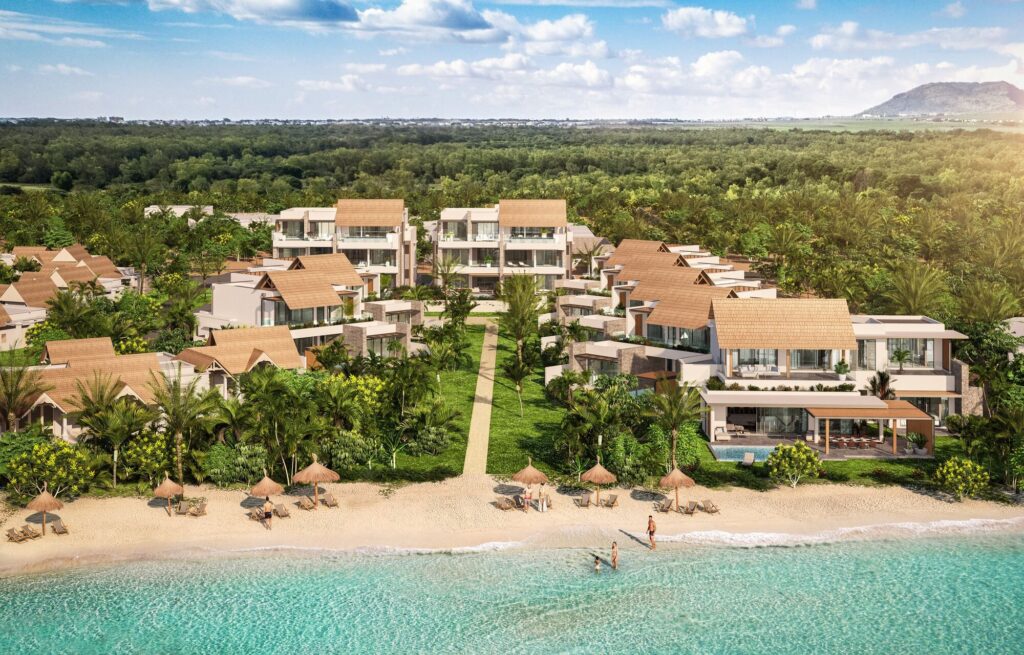
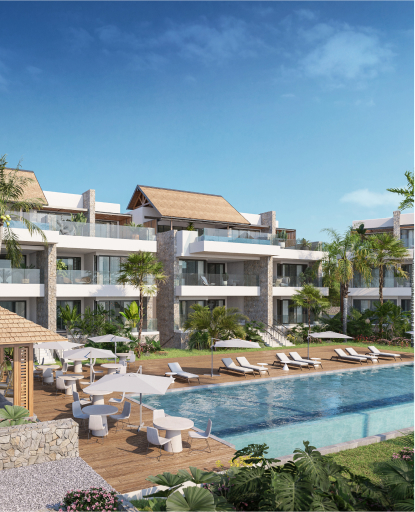
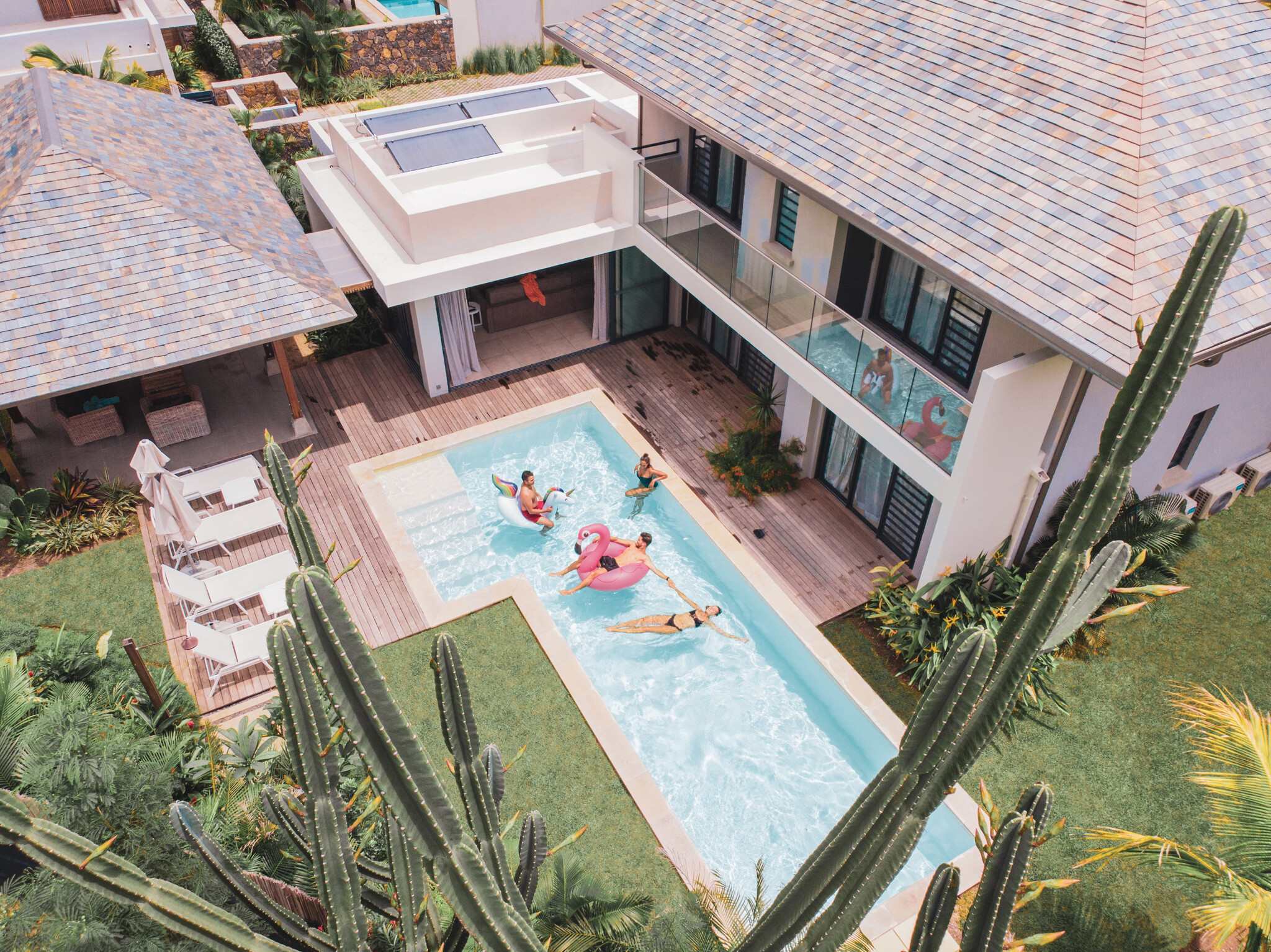
Housing represents the largest item in an expatriate’s monthly budget in Mauritius. A two-bedroom apartment in a town centre can be rented from €500 (around MUR 25,000), while a villa or residence with a swimming pool can quickly range from €1,500 to €4,000 (MUR 75,000 to 200,000), depending on the location.
Prices vary considerably from one area to another:
- Grand Baie and Tamarin, highly popular with expatriates, typically range from €800 to €1,500 (MUR 40,000 to 75,000) for a quality apartment.
- On the west coast, Flic en Flac offers rentals starting from around €600.
- In the central region, Quatre Bornes and Curepipe often offer one-bedroom apartments from around €400.
- Port Louis, the capital city, mainly features apartments, while luxury residences are concentrated along the coast.
Food, Transport, Healthcare and Daily Living Costs
Beyond housing, several expense categories shape your monthly budget.
Food costs generally range between €250 and €650 for two people, depending on whether you favour local or imported products. If you have children, you should also budget for private schooling, often starting at MUR 10,000 per month, and private health insurance costing around MUR 3,000 per month.
Here are the main everyday expenses to consider:
- Local food products, including tropical fruits, vegetables, and fresh fish, are highly affordable, while imported bottled beer and other imported goods are considerably more expensive.
- Transport mainly relies on private vehicles, complemented by the Metro Express service linking Port Louis and Curepipe.
- Healthcare is best covered by private health insurance, which is strongly recommended for expatriates.
- Leisure activities, restaurants, and entertainment contribute to an enjoyable and affordable lifestyle.
To help you get your bearings, here are some average daily expenses in Mauritian rupees and euros:
| Everyday Expense | Average Price (MUR) | In Euros |
| Meal at a local restaurant | 250 MUR | Around €5 |
| Fast-food meal | 350 MUR | Around €7 |
| 1.5L bottle of water | 30 MUR | Less than €1 |
| 1 litre of milk | 50 MUR | Around €1 |
| Local bottled beer | 70 MUR | Around €1.40 |
| Imported bottled beer | 150 MUR | Around €3 |
| 1 kg of apples | 120 MUR | Around €2.40 |
| Coffee at a café | 120 MUR | Around €2.40 |
| Monthly internet subscription | 1,200 MUR | Around €25 |
| 1 litre of petrol | 75 MUR | Around €1.50 |
| Metro Express ticket | 25 MUR | Less than €1 |
Good to know: in Mauritius, the price gap between local and imported products is huge. By filling your basket with tropical fruits, vegetables, and market fish, you can significantly reduce your food budget. European products, on the other hand, often cost more than in France. Mixing both remains the best way to eat well without increasing your expenses.
Preparing Your Expatriation Budget in Mauritius
A successful expatriation budget in Mauritius also requires anticipating administrative procedures and taxation. To settle in, a residence permit can be obtained through property investment or business creation.
On the tax side, Mauritius applies a flat tax rate of 15%, and the Franco-Mauritian tax treaty avoids double taxation. Retirees are exempt from CSG and CRDS contributions on their pensions, which significantly reduces their monthly expenses.
This agreement regulates the taxation of income between both countries. To prepare your move and initial costs, it is advisable to convert your budget into both euros and Mauritian rupees and to plan ahead for the services you will need locally.
As our team at MJ Développement often says, “The real luxury in Mauritius is living better for less: but you still need to set your housing budget before leaving, because this is what makes all the difference.”
Are you dreaming of a new life in the sun but unsure about the budget required? From estimating your expenses to choosing the right home, the MJ Développement team supports you in your expatriation project to Mauritius. Let’s talk about your budget today!
Key figures:
- Monthly budget of €2,500 to €3,000 (125,000 to 150,000 MUR) for a couple
- Rent starting from 25,000 MUR
- Cost of living around 40% lower than in France
- Currency: Mauritian rupee, approximately 50 MUR for 1 euro
FAQ – Expatriation Budget in Mauritius
What salary do you need to live in Mauritius?
To live in Mauritius, an income of €1,200 to €1,500 per month is enough for a single person living a simple lifestyle. A couple typically needs around €2,500, and a family about €3,500 with private schooling. Everything depends on housing and lifestyle choices.
Is life really cheaper than in France?
Yes, the cost of living is generally lower than in France. Housing and subscriptions are around 43% cheaper, and food is about 34% cheaper. However, imported goods and electronics are more expensive due to import taxes.
Do you need health insurance in Mauritius?
Yes, private health insurance is strongly recommended for expatriates. Although a public system exists, foreign residents usually prefer private clinics, which are faster and more comfortable. This should be included in your monthly budget, especially for families or retirees.
What currency is used in Mauritius?
The currency used in Mauritius is the Mauritian rupee (MUR). Rent and groceries are paid in rupees, and €1 is worth approximately 50 MUR. Opening a local bank account makes it easier to manage your budget and daily expenses.
How much does housing cost in Mauritius?
Housing in Mauritius starts at around €400–€500 (20,000–25,000 MUR) for a city apartment, and ranges from €1,500 to €4,000 (75,000–200,000 MUR) for a villa with a pool on the coast. Popular areas such as Grand Baie and Tamarin are at the higher end of the range.
Sources:
- Impots.gouv.fr, International tax treaties: https://www.impots.gouv.fr/les-conventions-internationales
- French Embassy in Mauritius: https://mu.ambafrance.org
- Combien-coute.net, Cost of living in Mauritius: https://www.combien-coute.net/cout-de-la-vie/ile-maurice/